




🧵 THE JOURNEY
Cocoon to Closet
From farm to yarn — the story of Muga silk by Marvella
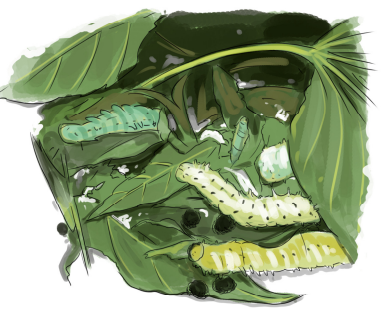
Step 1
Host Plant Farming
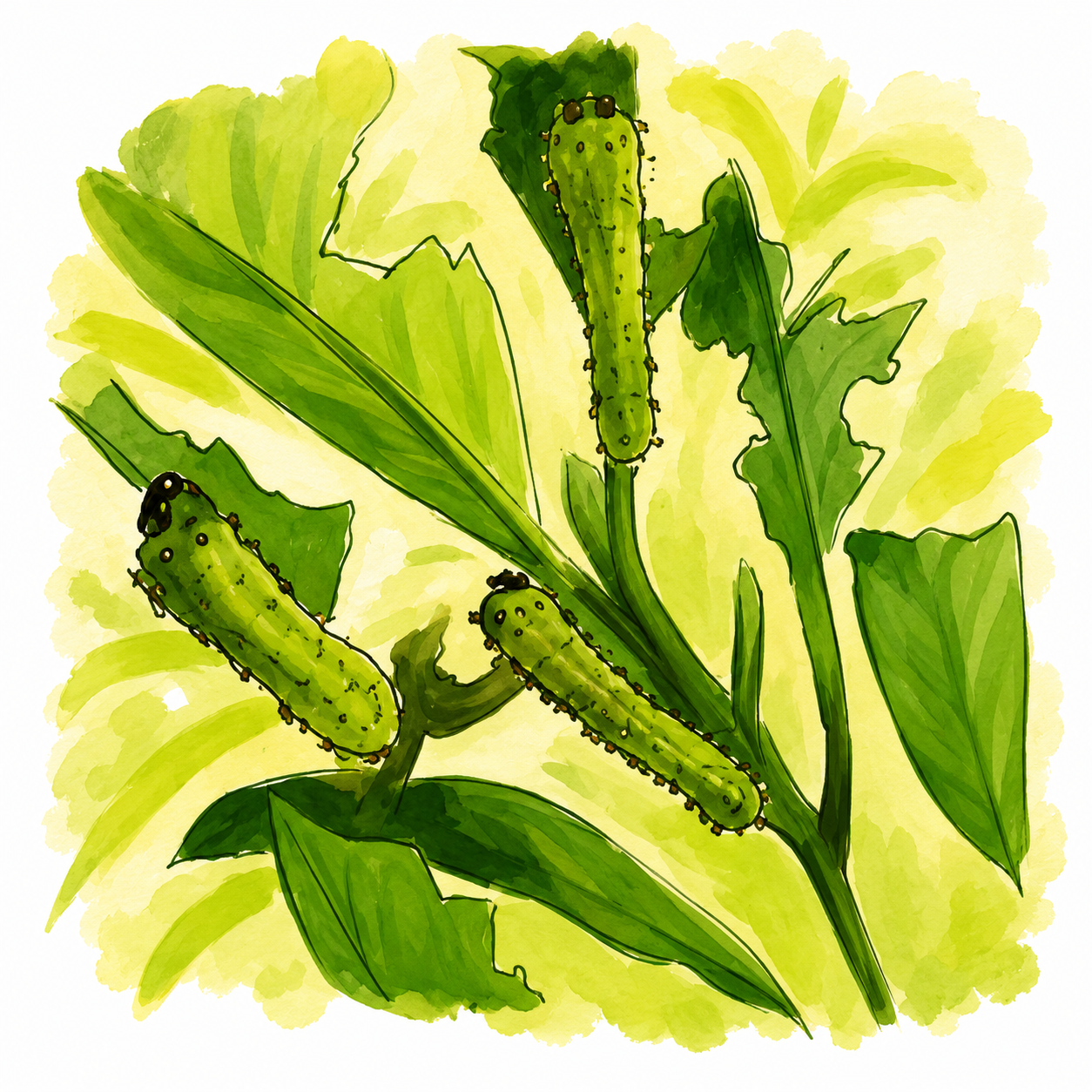
Muga silkworms feed on Som (Persea bombycine) and
Saulo (Litsea monopetala) — primary host plants of Assam,
sustaining the Muga silkworm Antheraea assamensis.
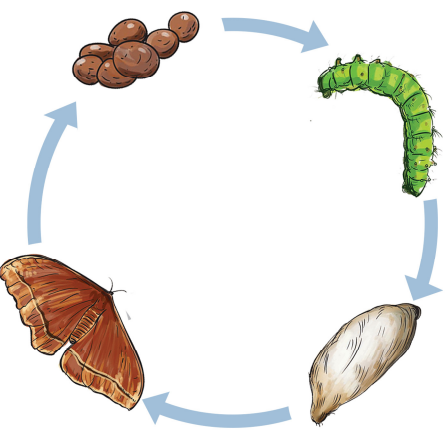
Step 2
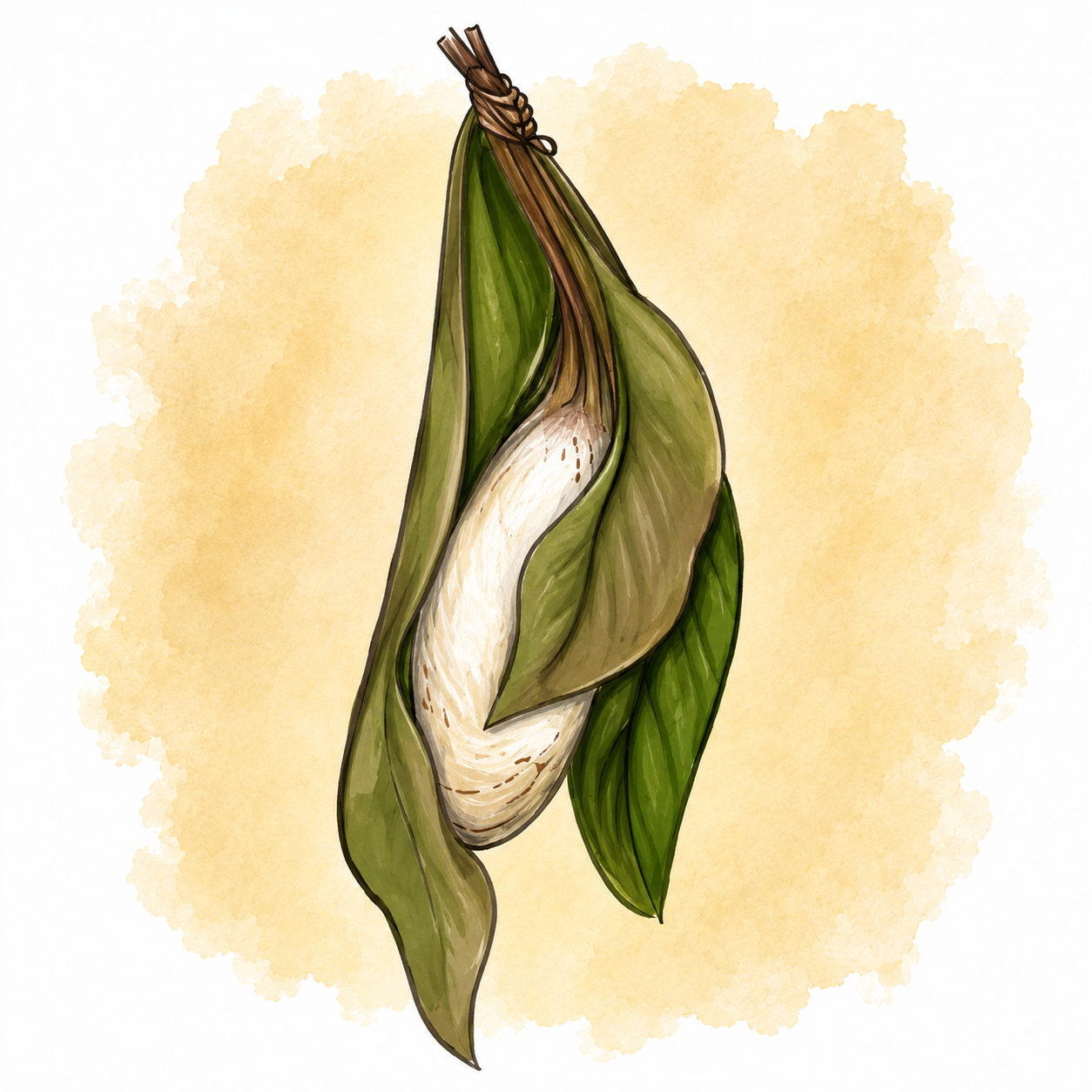
Cocoon Formation
The cocoon is composed of protein fibre Fibroin,
surrounded by a protein glue Sericin — which holds
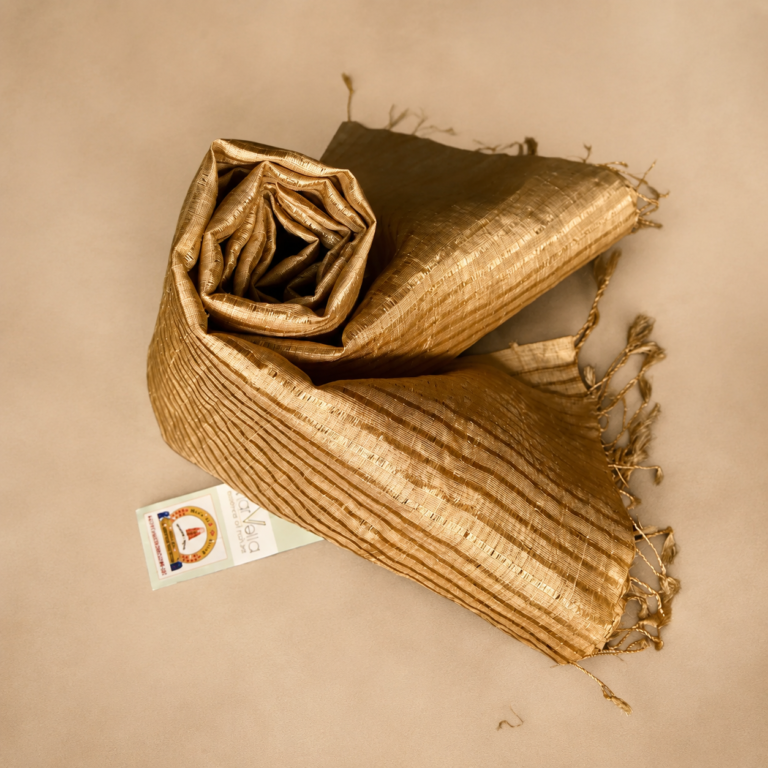
the cocoon together and gives Muga silk its unique natural golden sheen.
Step 3
Degumming
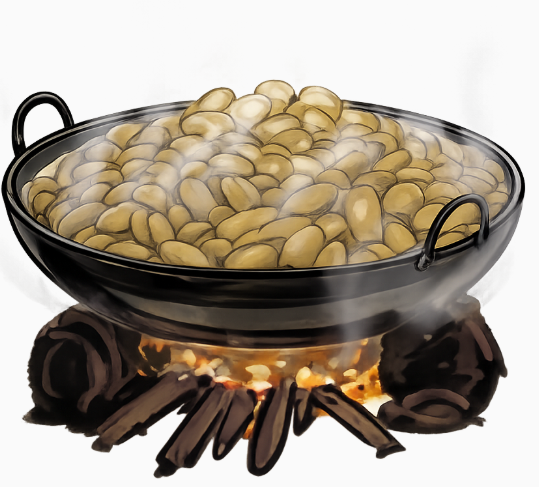
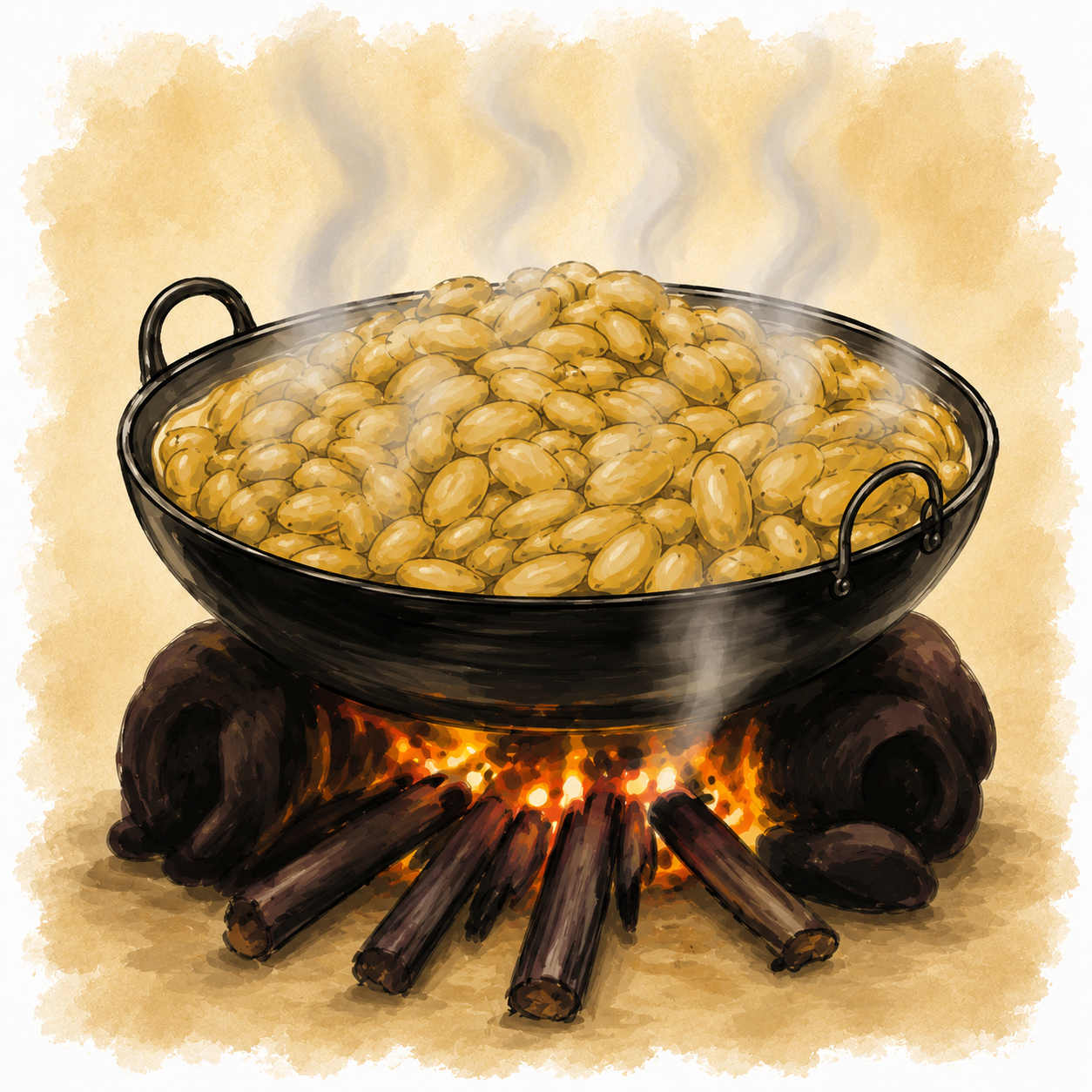
Cocoons are added to lukewarm water with natural alkyne from
banana skin to degum and remove the sticky sericin layer —
allowing the golden silk threads to separate cleanly.
Step 4
Yarn / Thread Creation
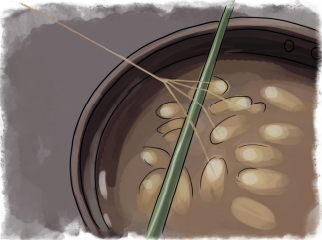
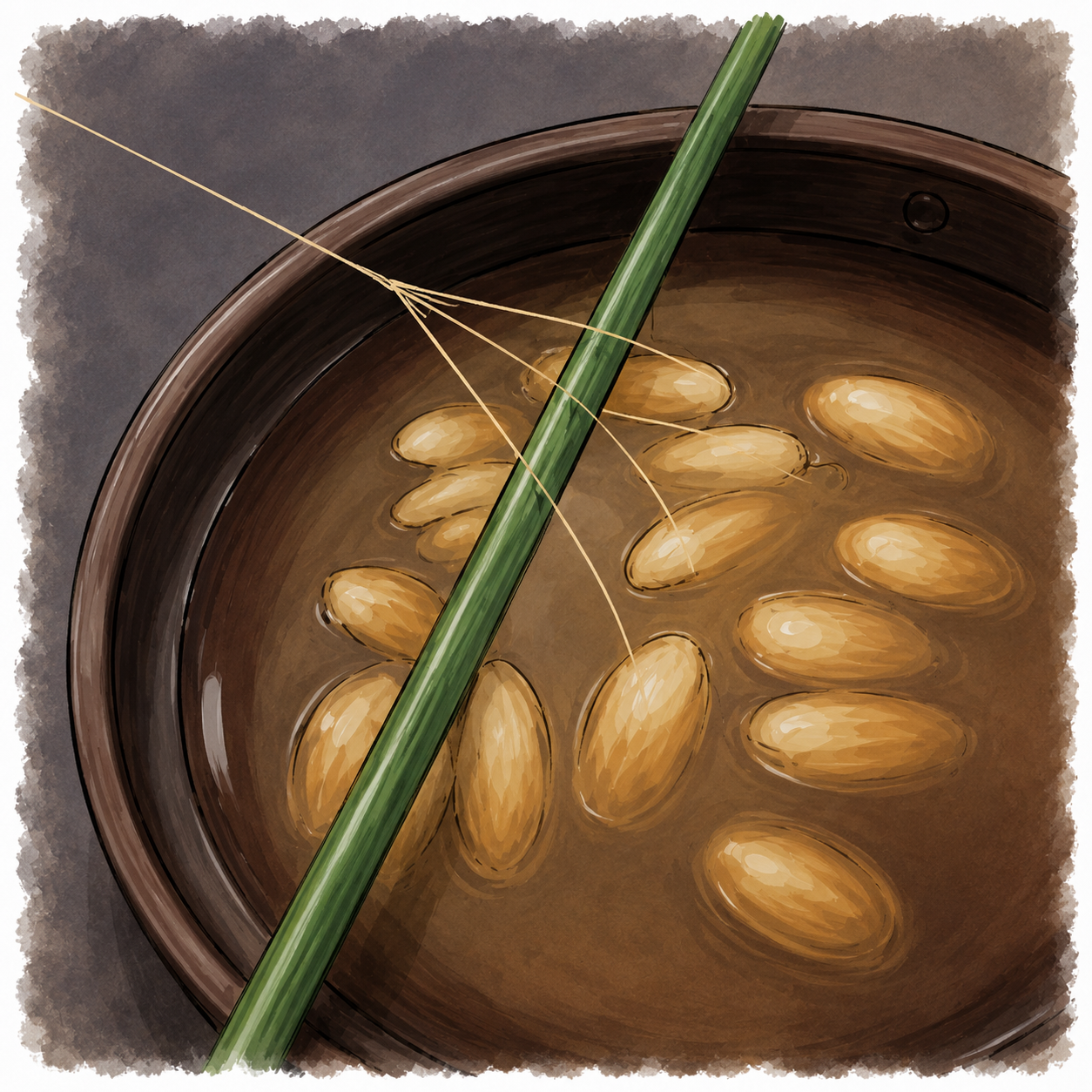
Individual filaments are reeled together (usually 8–13)
to form a silk thread. These are then re-reeled with other
threads or thrown together to produce a thicker, stronger yarn.




Out of stock
₹61,500.00

Mulberry Collections
₹3,125.00

₹3,162.00


₹3,220.00


₹3,220.00
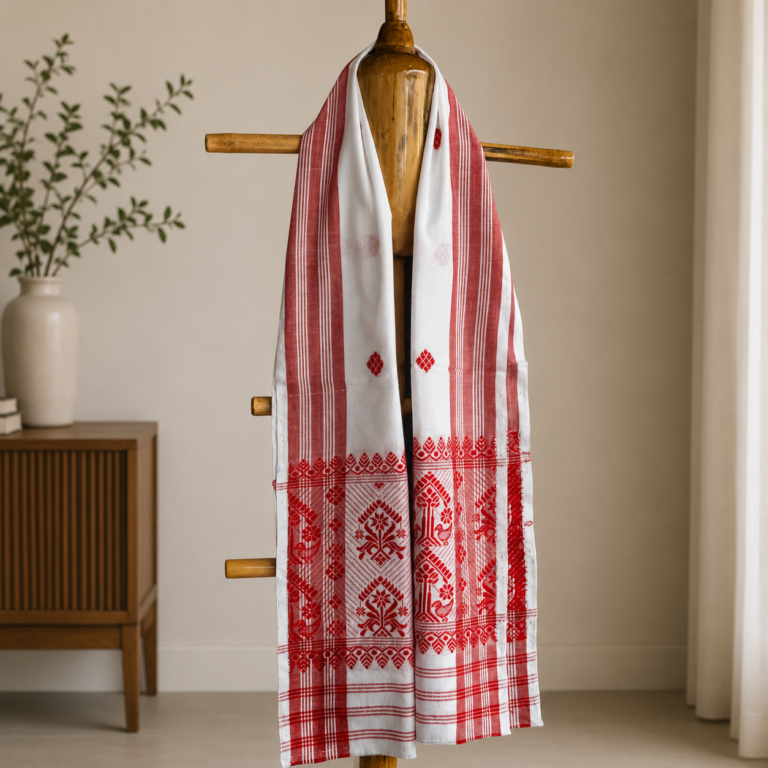
Stole and Shawl
₹7,500.00
₹4,800.00
₹3,250.00
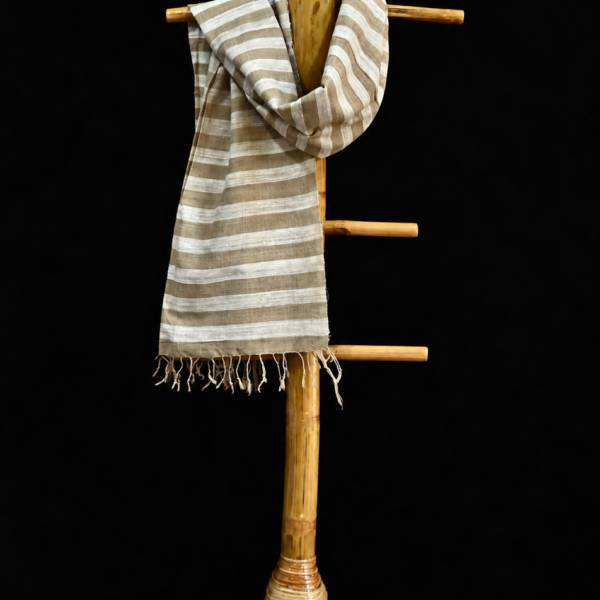
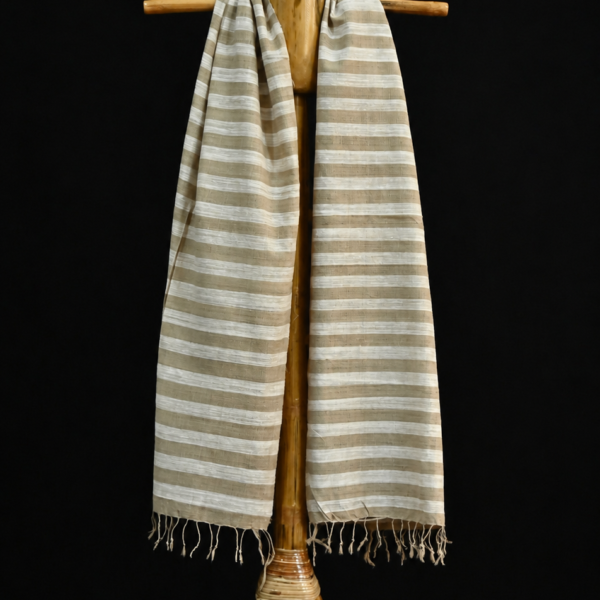
₹2,200.00
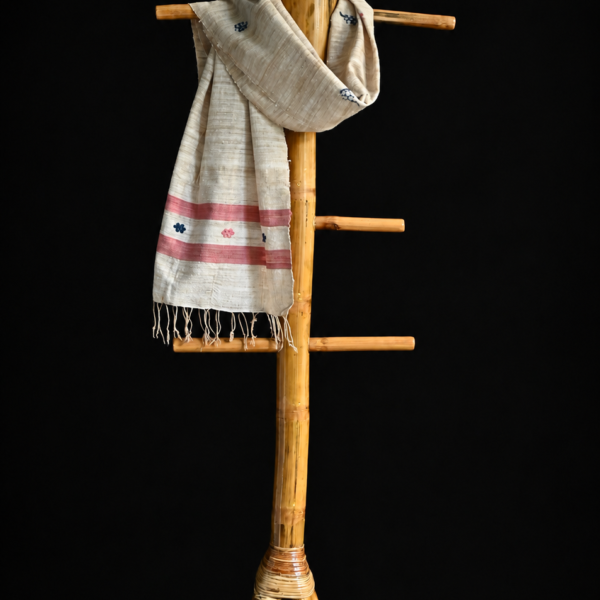
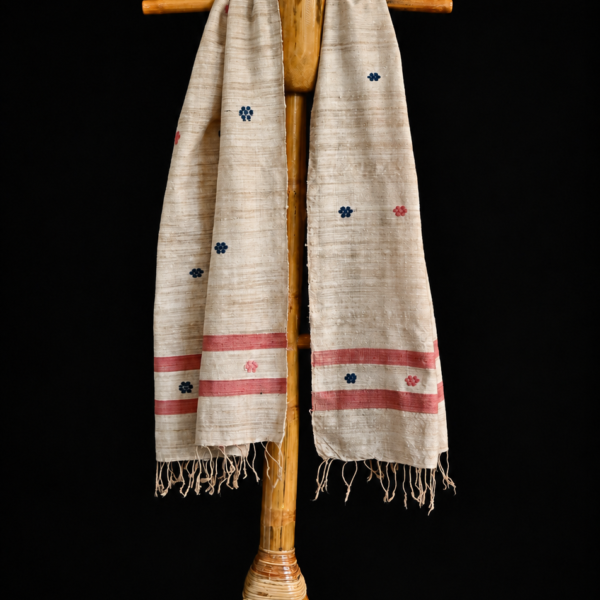
₹2,250.00
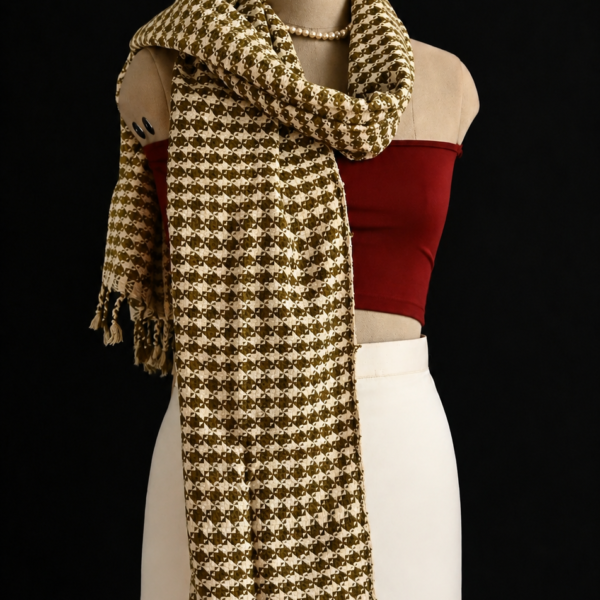
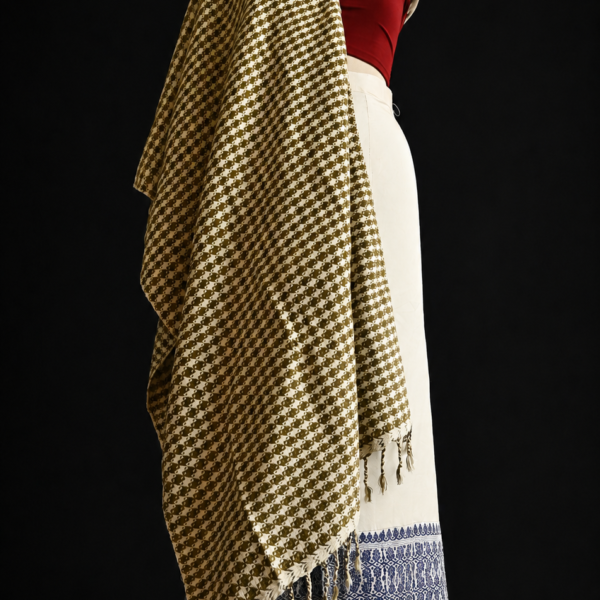
₹9,000.00
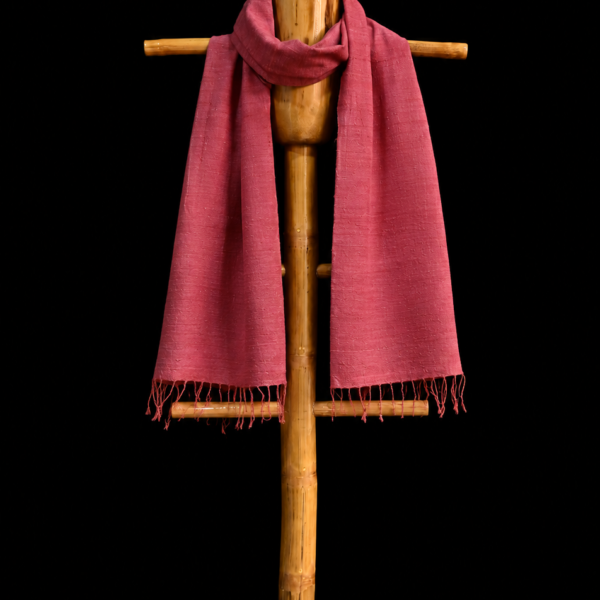
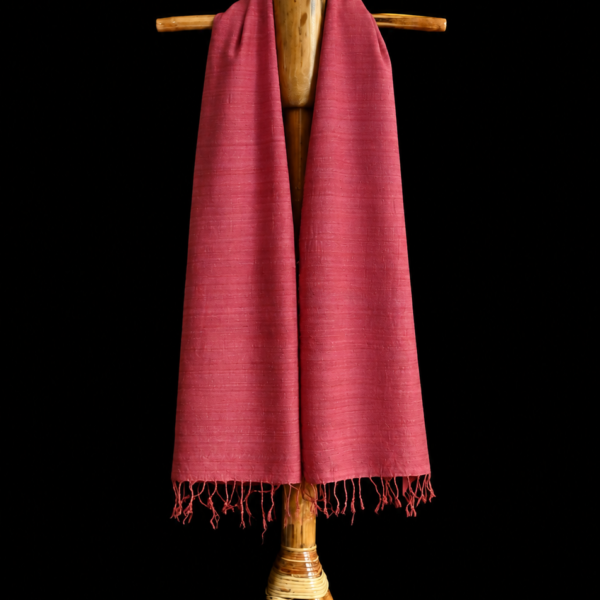
₹2,200.00
₹6,500.00
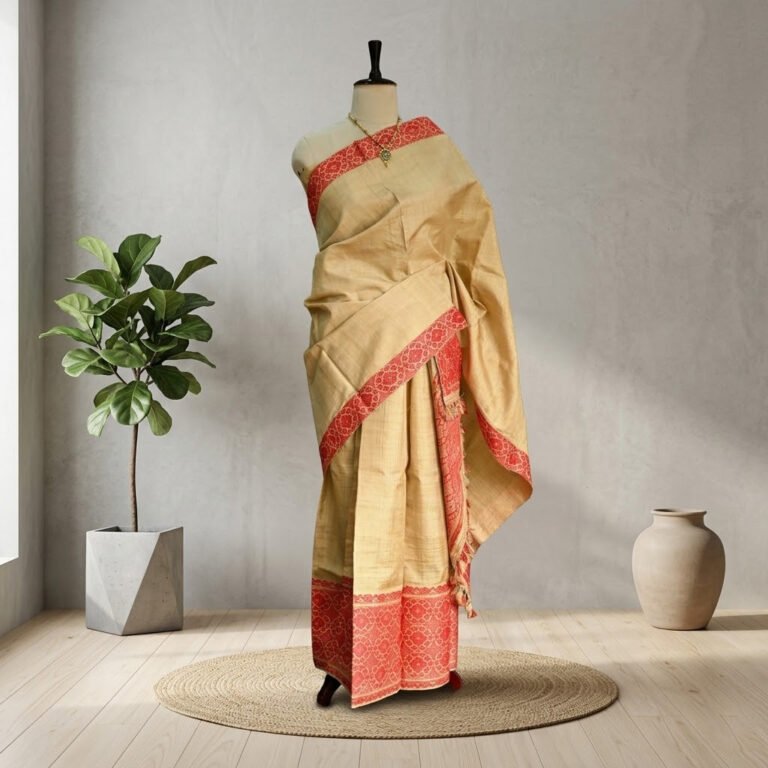
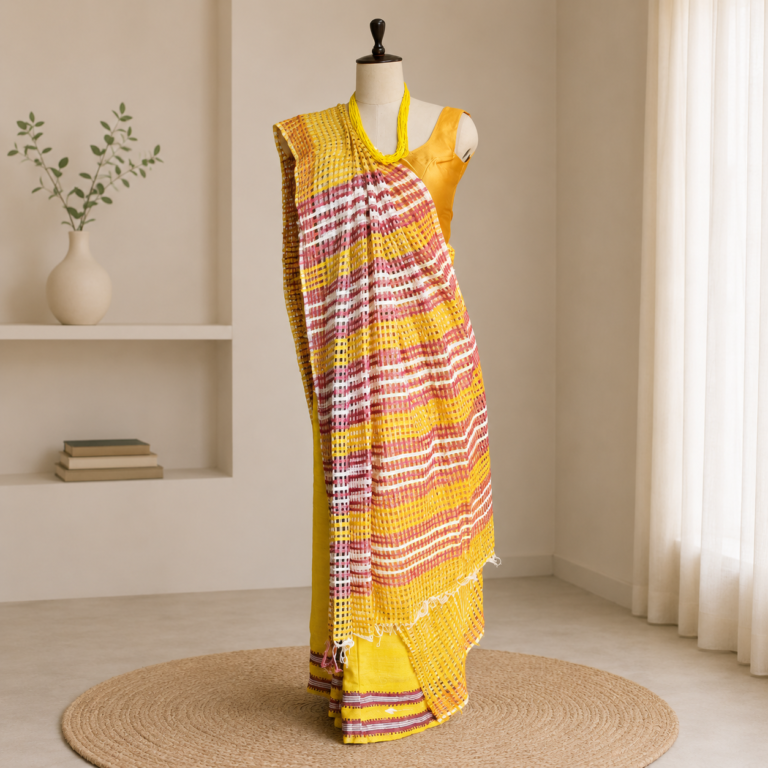
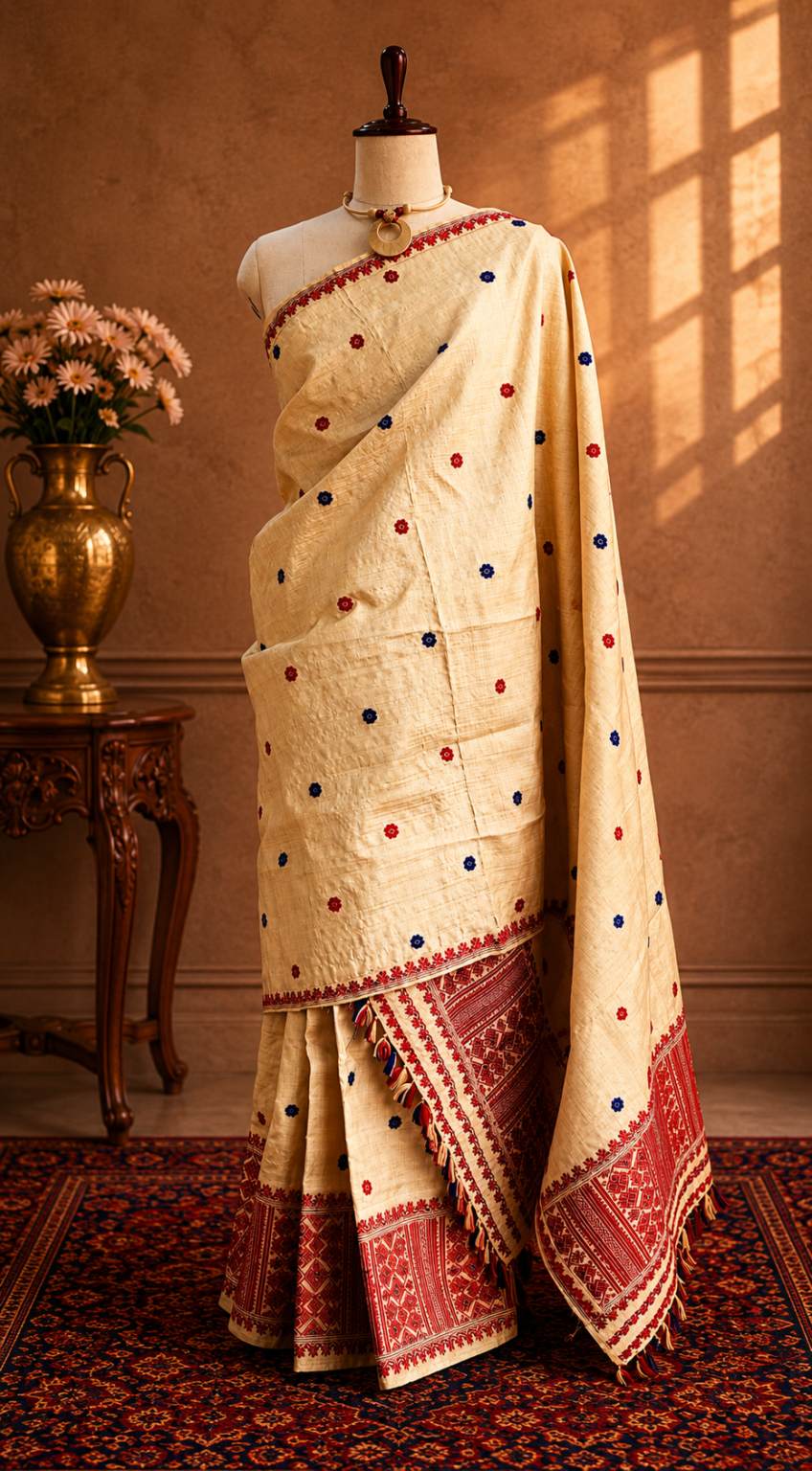
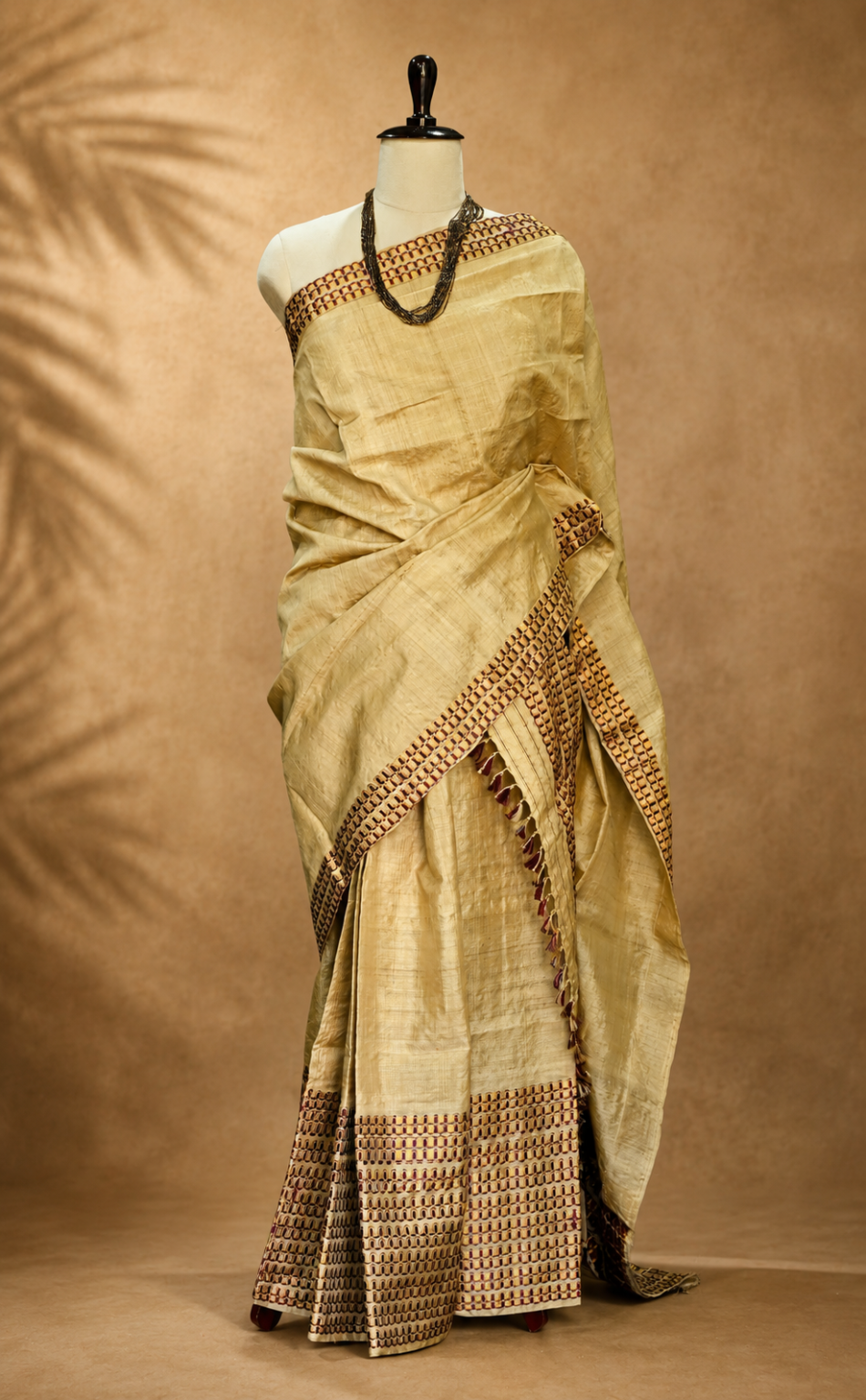
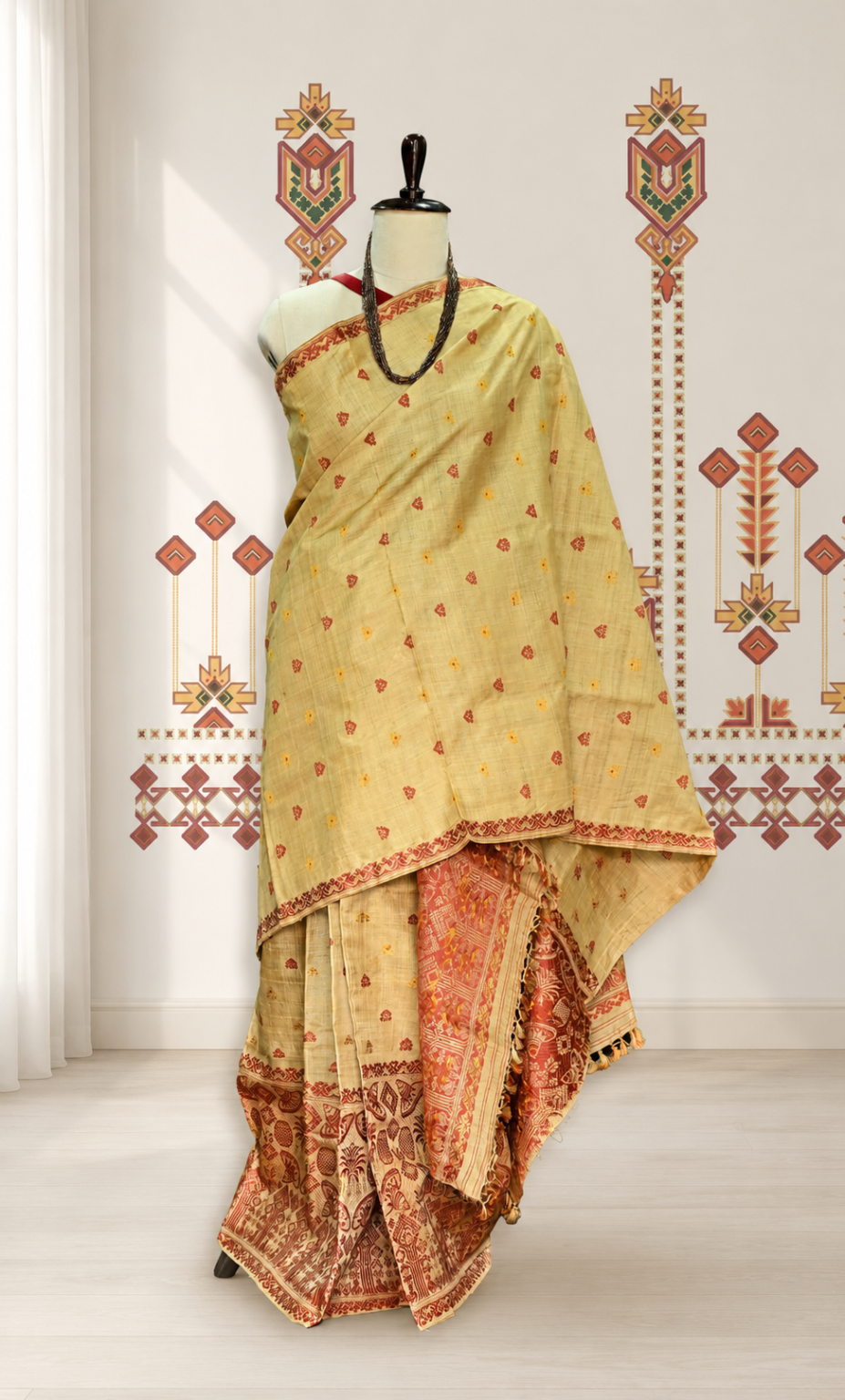
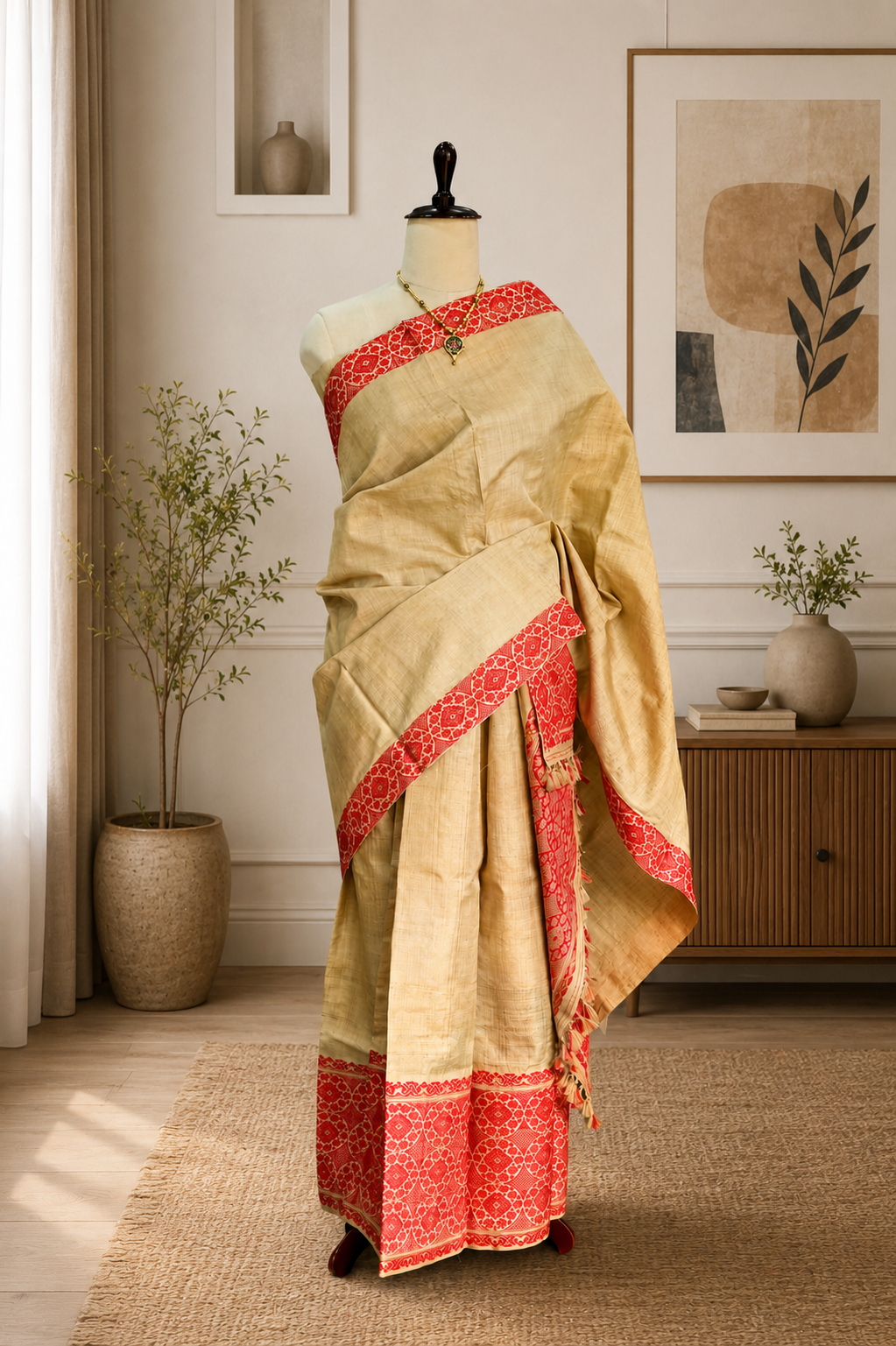
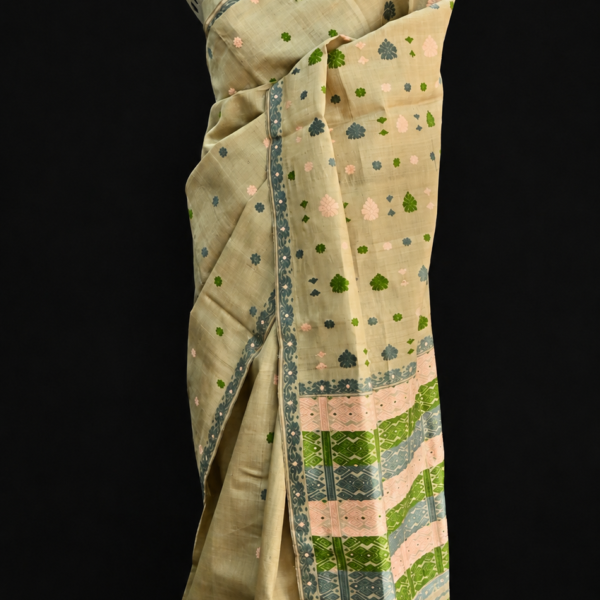
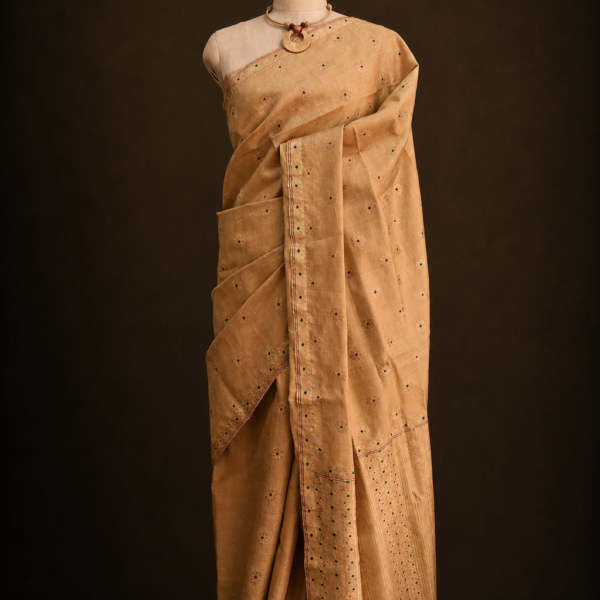
Handcrafted Muga Silk Mekhela Chador
₹102,000.00
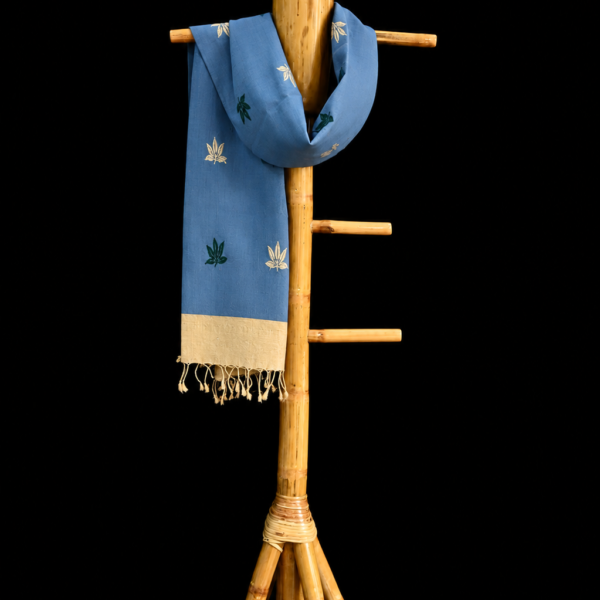
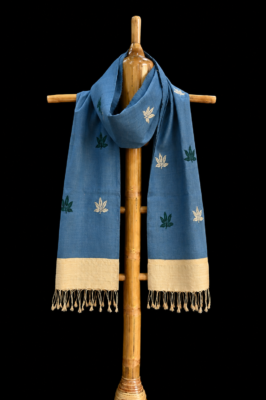
₹13,500.00
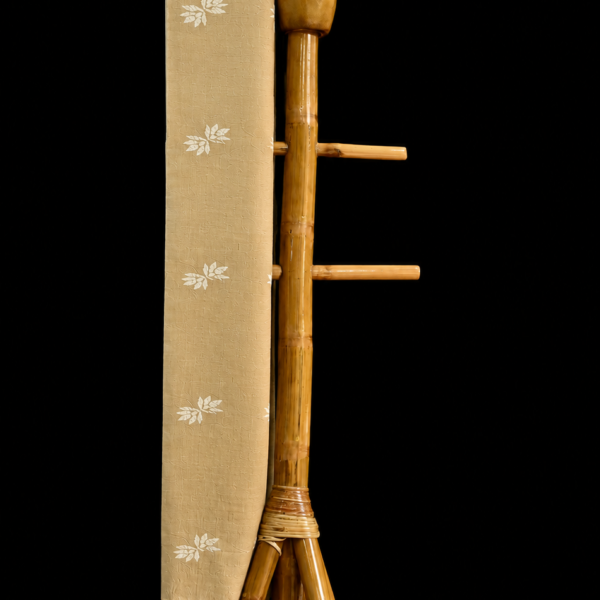
₹13,500.00
₹12,500.00


₹115,000.00
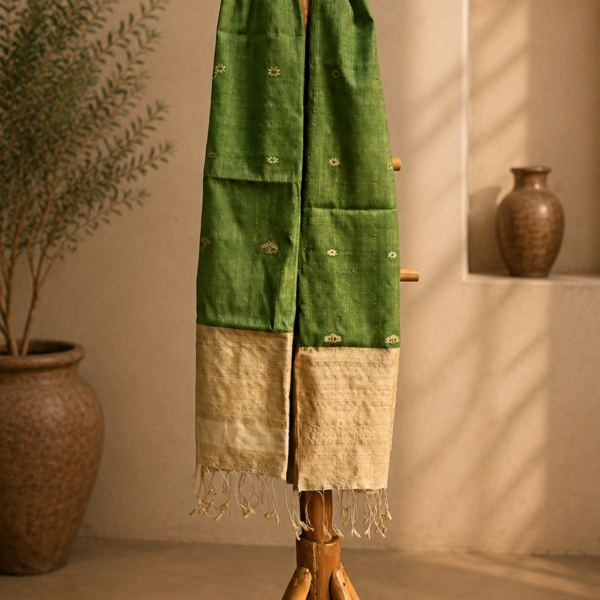
₹12,000.00
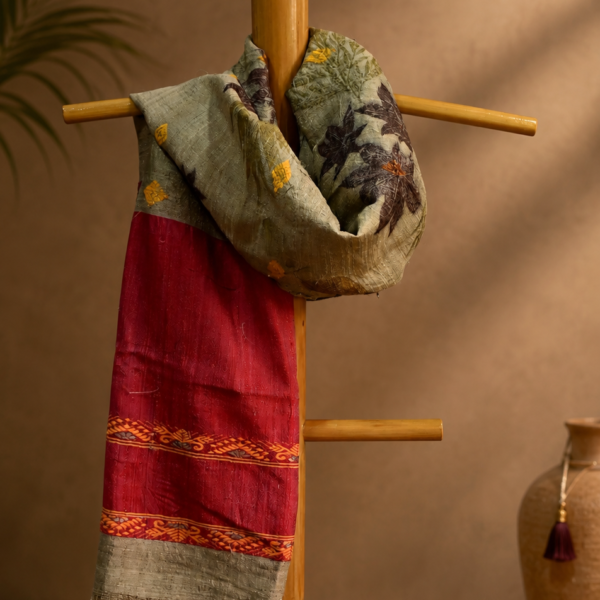
₹12,000.00